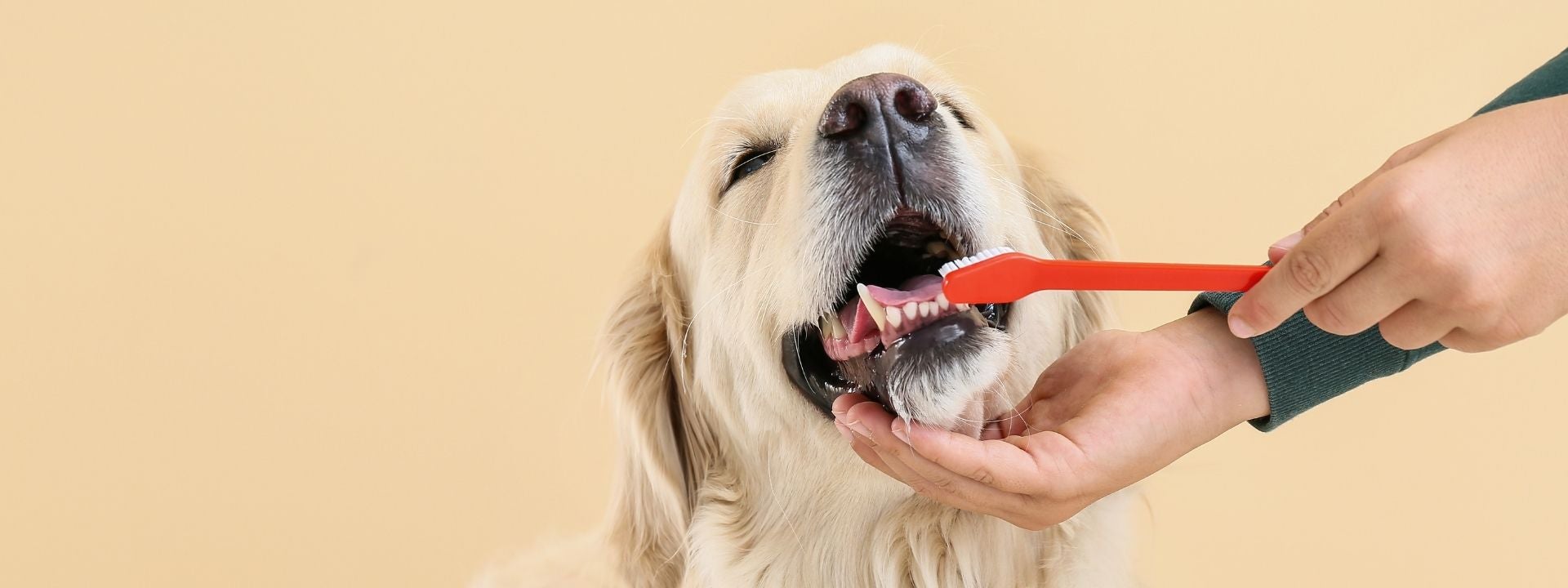
Dental disease is the most common health struggle for pets in Layton. Because dogs and cats are experts at masking pain and because they will often keep eating even with a toothache, many owners do not realize there is a problem until it is advanced. At Canyon View Cares in Layton, we view oral health as a cornerstone of your pet's overall longevity.
From the shape of a snout to a pet’s favorite chew toy, every animal faces unique dental risks. Here is what you should be looking for based on your pet’s specific needs.
Small Breeds: Big Trouble in Tiny Mouths
Small and toy breeds are disproportionately affected by dental disease. They have the same forty two teeth as a large dog, but they are crammed into a much smaller space. This crowding creates "nooks and crannies" where bacteria thrive.
-
Chihuahuas: These companions are prone to rapid tartar buildup. Without intervention, they can lose teeth or even suffer jaw fractures at a surprisingly young age.
-
Dachshunds: Their long, narrow muzzles trap debris easily, leading to deep seated gingivitis. This can eventually lead to oronasal fistulas, which are openings between the mouth and the nose.
-
Miniature Schnauzers: This breed is genetically predisposed to periodontal disease, often requiring professional cleanings more frequently than other breeds.
Large Breeds: Wear, Tear, and Hidden Cracks
While larger dogs usually have better spacing between their teeth, their dental issues often stem from how they use their mouths.
-
Labrador Retrievers: The "ultimate chewers" are famous for gnawing on rocks, fences, or hard bones. This leads to tooth fractures and worn down enamel, which can expose the sensitive pulp and cause hidden infections.
-
Greyhounds: Despite their athletic build, Greyhounds are notorious for heavy tartar accumulation and receding gumlines, requiring diligent monitoring.
-
Boxers: This breed can suffer from gingival hyperplasia, a condition where the gum tissue overgrows and traps debris against the teeth.
Cats: The Masters of Stoicism
Cats are the most stoic patients we see in Layton. By the time a cat stops eating, their dental disease is usually quite severe. Keep an eye out for subtle signs like drooling, "chattering" the jaw, or tilting the head to one side while eating.
-
Tooth Resorption: This is a common and painful feline condition where the body essentially begins to "dissolve" the tooth from the inside out.
-
Gingivitis & Stomatitis: Chronic inflammation of the mouth that can make even swallowing painful.
A Healthy Mouth, A Happy Life
Oral bacteria does not stay in the mouth. It can enter the bloodstream and cause secondary damage to the heart, liver, and kidneys. By staying proactive, you are not just saving their teeth; you are protecting their vital organs.
Comprehensive Dental Care in Layton
At Canyon View Cares, our professional cleanings go far beyond a simple surface scrub. To ensure your pet's safety and comfort, we perform:
-
Digital Dental X-Rays: To see what is happening beneath the gumline.
-
Ultrasonic Scaling and Polishing: To remove stubborn tartar and smooth the enamel.
-
Oral Surgery: Including extractions for teeth that are beyond repair.
If you have noticed a "doggy breath" that seems a bit too strong, or if your pet has not had an oral exam in over a year, our team at Canyon View Cares in Layton is ready to help.