
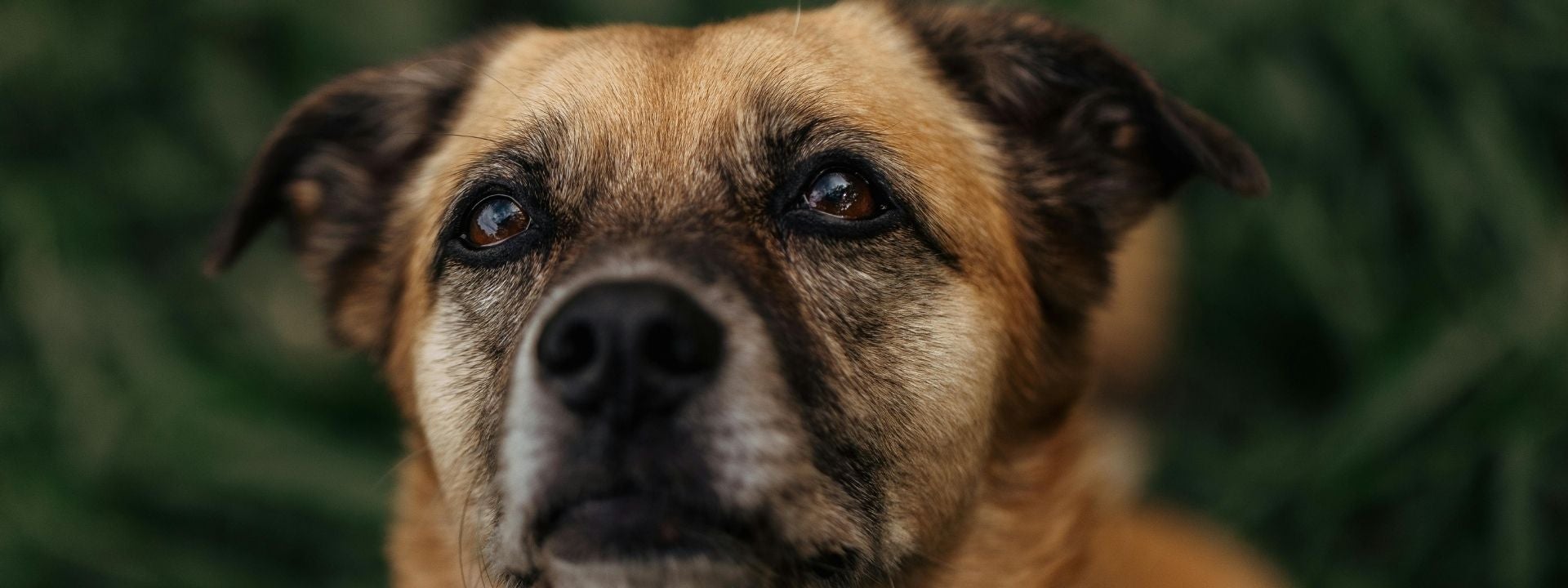
Summer in Layton is full of reasons to celebrate. Families head to parks, gather for neighborhood events, enjoy weekend barbecues, and look forward to holiday fireworks. Utah's summer weather can also bring sudden thunderstorms that roll in with little warning. While these events are often exciting for people, they can be incredibly stressful for dogs and cats.
At Canyon View Cares Veterinary Hospital in Layton, we regularly help families whose pets struggle with noise-related anxiety. Whether your dog trembles during fireworks or your cat hides at the first rumble of thunder, understanding what's happening and preparing ahead of time can make a significant difference in your pet's comfort.
Your Pet's Brain Is Trying to Keep Them Safe
When your pet hears an unexpected explosion or thunderclap, they aren't thinking about where the sound came from. Their brain is focused on one question: "Am I safe?"
The body immediately prepares for action by releasing adrenaline and other stress hormones. This natural response is designed to help animals survive dangerous situations, but fireworks and storms can trigger the same reaction even when there isn't a real threat.
Because fireworks are unpredictable, pets often have no opportunity to adjust before another loud boom occurs.
Some Pets Hide While Others Try to Escape
Fear doesn't look the same in every animal.
Some pets withdraw and become very quiet. Others become restless and desperate to leave the area.
You may notice:
- Shaking or trembling
- Heavy panting
- Constant pacing
- Barking or whining
- Scratching at doors
- Climbing into unusual hiding places
- Drooling
- Refusing food
- Staying unusually close to family members
- Trying to run outside
Cats often express stress by disappearing for several hours, avoiding interaction, or grooming themselves excessively.
Learning your pet's individual behavior patterns helps you recognize anxiety before it becomes severe.
Fireworks Aren't the Only Trigger
Many owners associate anxiety with the Fourth of July, but loud noises happen throughout the summer.
Your pet may react to:
- Holiday fireworks
- Backyard celebrations
- Thunderstorms
- Construction projects
- Sporting events
- Loud vehicles
- Community festivals
Rather than preparing for one specific holiday, it's helpful to develop a plan that can be used whenever loud noises occur.
Give Your Pet Predictability
Animals feel more secure when daily life remains consistent.
Try to maintain regular:
- Feeding times
- Walks
- Play sessions
- Bedtime routines
Avoid making several changes on the same day as fireworks whenever possible.
If guests are visiting, introduce them calmly and provide your pet with opportunities to step away if they become overwhelmed.
Consistency helps reduce stress during otherwise unpredictable situations.
Create a Low-Stress Environment
Before fireworks begin, prepare your home to help your pet relax.
- Close windows and blinds.
- Turn on calming music, a fan, or a television.
- Reduce unnecessary household noise.
- Prepare a quiet room with comfortable bedding, water, and favorite toys.
Some dogs appreciate having access to an open crate, while many cats feel safest in small enclosed spaces.
Allow your pet to choose where they want to settle.
Exercise Is One of Your Best Tools
Physical and mental activity before fireworks can help reduce anxiety later in the evening.
Take your dog for a walk before temperatures become too warm.
Play games that encourage sniffing or problem-solving.
For cats, interactive toys and puzzle feeders offer valuable enrichment while helping burn excess energy.
Although exercise won't eliminate fear, it often helps pets relax more easily afterward.
Keep Outdoor Time Brief
One of the greatest risks during fireworks season is accidental escape.
A frightened pet may react differently than they normally would.
Even dogs with excellent recall may bolt after a loud explosion.
Whenever fireworks are expected:
- Bring pets inside early.
- Use a leash during bathroom breaks.
- Check gates before letting dogs into the yard.
- Keep cats indoors.
Taking a few extra precautions can prevent heartbreaking situations.
Check Your Pet's Identification
Preparing for summer also means preparing for the unexpected.
Before holiday celebrations:
- Confirm your pet's collar fits properly.
- Replace worn ID tags.
- Verify your microchip registration.
- Save current photos of your pet.
A microchip provides permanent identification that remains with your pet throughout their lifetime.
If your contact information has changed, remember to update your registration.
Should You Comfort a Scared Pet?
Yes.
Many owners hesitate because they've heard they might reinforce fear.
Fear is an emotional response, not a learned behavior.
If your pet seeks reassurance, speak calmly, pet them gently, or simply remain nearby.
If they choose to hide, respect that decision.
Providing a calm, reassuring presence often helps pets recover more quickly than trying to force interaction.
When Additional Support Is Appropriate
Some pets experience anxiety that's too intense to manage with environmental changes alone.
Talk with your veterinarian if your pet:
- Panics during every storm
- Damages doors or windows
- Tries repeatedly to escape
- Refuses food after fireworks
- Shows worsening fear every year
Many treatment options are available, including behavioral strategies, calming supplements, pheromone therapy, and prescription medications.
A personalized plan often produces the best results.
Helping Puppies Grow Into Confident Adults
Early experiences shape lifelong behavior.
Positive training, gentle socialization, and reward-based learning help puppies develop confidence.
Expose young pets to everyday household sounds in positive ways, but never force them into frightening situations like fireworks displays.
Helping puppies build trust in their environment gives them valuable coping skills for the future.
A Better Summer Starts With Preparation
Noise anxiety is common, but it doesn't have to control your pet's life. By understanding your companion's needs, preparing your home, and seeking veterinary guidance when necessary, you can make summer much less stressful for everyone involved.
At Canyon View Cares Veterinary Hospital in Layton, we're proud to partner with families throughout Davis County to support every aspect of their pets' health. If your dog or cat struggles with fireworks, thunderstorms, or other loud noises, our experienced veterinary team is here to help you develop a personalized plan that fits your pet's unique personality and lifestyle.
Together, we can help your pet enjoy a calmer, safer, and more comfortable summer season.