
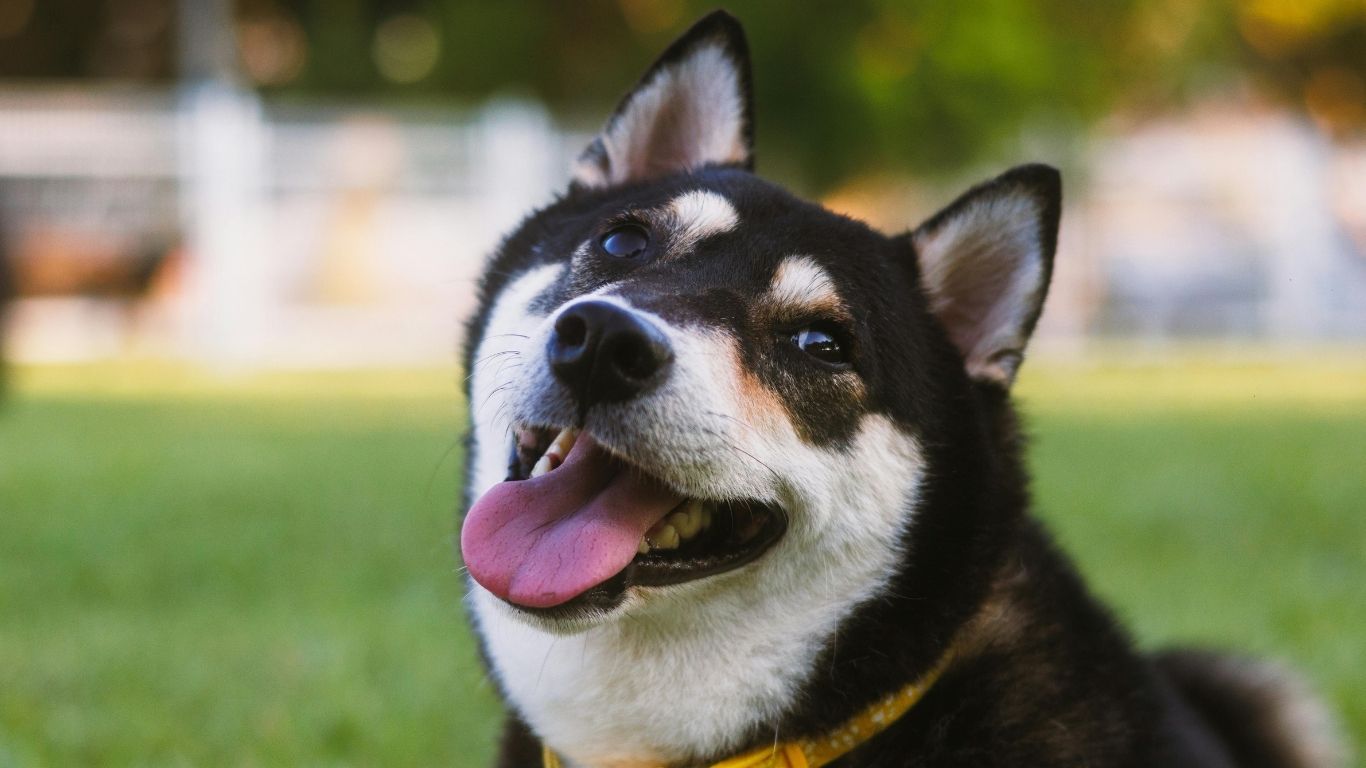
Your pet may not look much different from one birthday to the next, but their health needs can change over time.
That is why a bloodwork recommendation for a three-year-old dog may be completely different from the recommendation for a ten-year-old dog.
At Canyon View Cares Veterinary Hospital in Layton, we use bloodwork to answer specific questions about a pet’s health. Sometimes that means checking a pet who feels great. Sometimes it means investigating a symptom, monitoring treatment, or preparing for anesthesia.
Here is what may be worth checking as your pet moves through different stages of life.
Why Bloodwork If My Pet Already Had an Exam?
Because the two tell us different things.
During an exam, we can listen to the heart and lungs, evaluate your pet’s weight and body condition, look at their teeth and gums, feel their abdomen, check their skin, and more.
Bloodwork lets us evaluate internal measurements.
A complete blood count looks at red blood cells, white blood cells, and platelets. A chemistry panel provides information related to kidney and liver values, blood sugar, proteins, electrolytes, and other processes.
We may also recommend urine testing, thyroid testing, or another test based on your pet.
Young Pets: Keep Testing Focused
Puppies and kittens generally do not need a large blood panel at every routine appointment.
If your young pet is healthy, most early visits focus on preventive care and development.
Bloodwork may become important if they are sick. Poor appetite, repeated vomiting or diarrhea, weakness, unusual tiredness, or poor growth can all lead us to recommend testing.
Pre-anesthetic bloodwork is another common reason.
Before a spay, neuter, or another procedure, testing can give us information that is not available through a physical exam alone.
Adult Pets: Start Paying Attention to Trends
Once pets reach adulthood, one of the biggest benefits of routine bloodwork is comparison.
Imagine your dog has bloodwork at age four and again at age six. Both panels may fall within normal ranges, but we can also look at whether certain values have changed between those visits.
That trend can matter.
For some healthy adults, annual bloodwork may be recommended. Other pets may need a different interval based on age, breed, lifestyle, health history, and previous results.
Senior Pets: More Frequent Screening May Make Sense
Senior pets have a higher chance of developing chronic medical conditions.
The challenge is that dogs and cats can hide early illness very well.
A senior dog may start drinking more water. A cat may lose weight slowly. Your pet may become less active, sleep more, or have changes in appetite.
Those symptoms are easy to overlook because they can happen gradually.
Bloodwork can help us evaluate conditions involving the kidneys, liver, blood sugar, thyroid, blood cells, and other systems.
Some senior pets may benefit from testing every six to twelve months. Pets with diagnosed conditions, changing results, or medications may need it more often.
There is no one age when every pet becomes senior. A large dog generally reaches that life stage earlier than a small dog.
What Changes at Home Should You Watch For?
You do not need laboratory equipment to contribute important information.
Pay attention to how much your pet eats and drinks, changes in weight, bathroom habits, energy, and behavior.
Call your veterinarian if you notice:
- Persistent vomiting or diarrhea
- Unexplained weight loss
- Increased thirst or urination
- Reduced appetite
- Weakness
- Pale gums
- Collapse
- Significant lethargy
Bloodwork may help us figure out why the change is happening.
Sometimes we need additional diagnostics after that, but laboratory testing often gives us a useful place to start.
Pets on Medication May Need a Different Timeline
Certain medications require regular bloodwork.
We may need to check organ values, blood cells, electrolytes, or whether the treatment is producing the response we want.
Your veterinarian may recommend a recheck shortly after treatment begins, after a dose adjustment, and then periodically once your pet is stable.
If your pet feels great, that is wonderful. It does not necessarily mean the monitoring is no longer needed.
Why Bloodwork Before Surgery or Dentistry?
Before anesthesia, we want to know as much as reasonably possible about your pet’s health.
Bloodwork can reveal certain changes that are not obvious during the physical exam.
If something unexpected appears, we may adjust the anesthesia plan, recommend another test, or postpone an elective procedure.
If the results look normal, that information still helps us plan and becomes part of your pet’s medical history.
Your Pet’s Needs Will Keep Changing
There is no single bloodwork schedule that follows every dog and cat for life.
At Canyon View Cares Veterinary Hospital in Layton, we look at your pet’s age, health history, medications, symptoms, lifestyle, and previous results.
If you are wondering whether your pet is due, ask at their next wellness visit. We can help you decide what testing is useful now and what can wait.